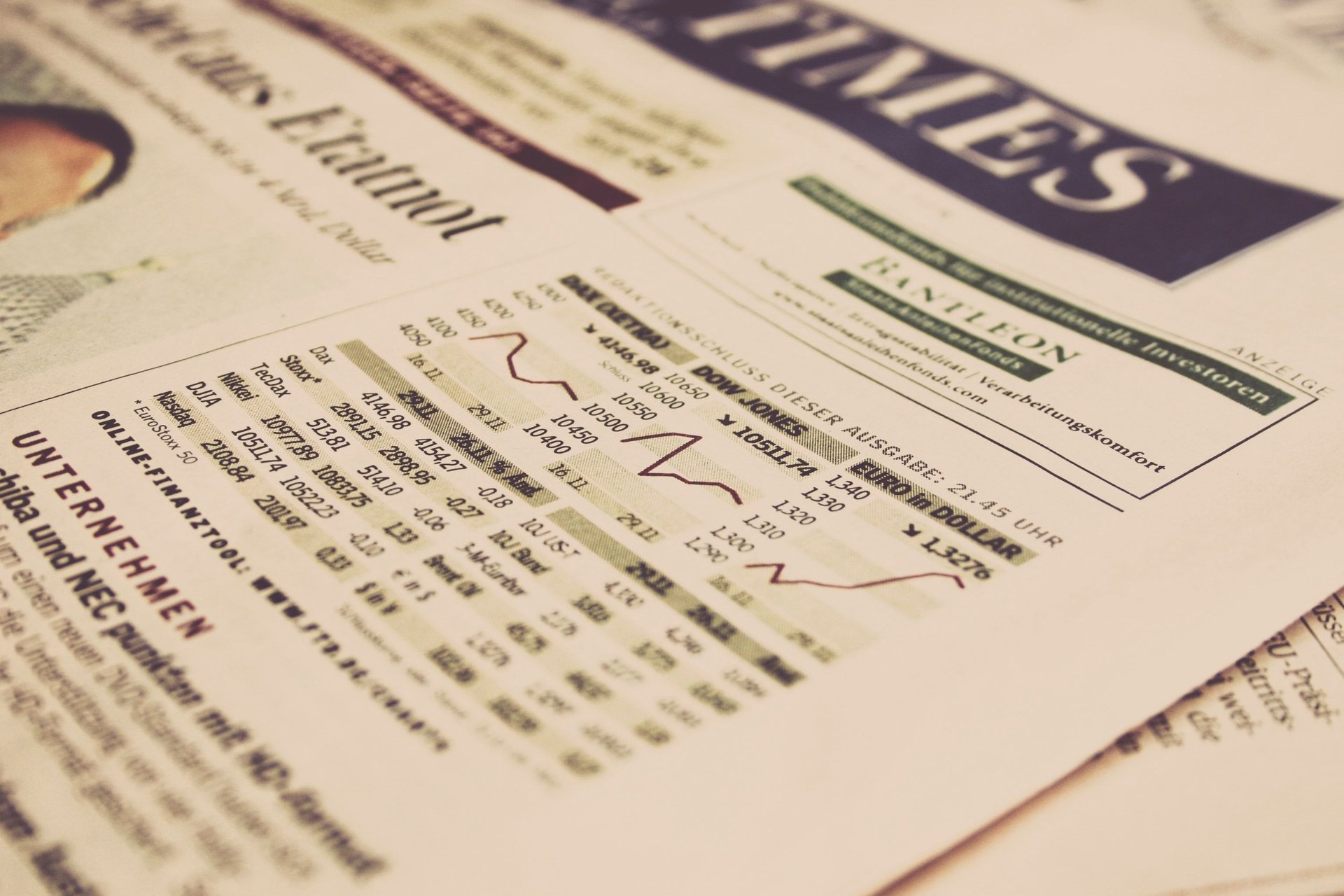
3 Ways Low Mortgage Rates Impact The Value of Your Home
From travel to toilet paper stock at your local grocery store. However, there’s another effect you might want to keep an eye on if you’re a homeowner: Falling mortgage rates. In the United States, the Federal Reserve cut rates by half a percentage point on March 3 (to keep up with the market), then again by 1.5 percent on March 15 (in response to COVID-19).
What does this mean if you’re already a homeowner? The first answer is easy: If you’ve been thinking about refinancing, now’s a good time to lock in a low rate. But if you’re concerned about the value of your home (particularly if you’ve been looking to sell in the next year), the news is a little more complicated. Here’s how the latest low mortgage rates might impact home values:
Low mortgage rates motivate many potential homebuyers to take the leap into homeownership. When there are more buyers than there are homes, supply and demand apply, and you can expect property values to increase. However, that’s the expected scenario when there are low rates without a worldwide pandemic. If COVID-19 keeps buyers at home and properties linger on the market, price cuts abound and then create a trend towards lower home values.
Interest rate changes don’t just affect mortgages; they also affect savings accounts, CDs, and other investments. Lower rates of return elsewhere mean less capital that could go into purchasing real estate, a factor that puts “supply” ahead of “demand.” Ideally, though, lackluster rates of return could motivate potential buyers to put their money into real estate instead, leading to a rise in home prices (and home values).
While no one knows the long-term effects COVID-19 will have on the economy, many anticipate another rate drop to follow. Potential buyers might take a “wait and see” approach, which leads to homes languishing on the market, price cuts, and possible trends in lower home values as a result if it’s a long-term issue.
Overall, the low mortgage rates generally mean good news for sellers, but the current pandemic does add an element of uncertainty that brings caveats. While national trends are an important factor to watch, your best indicator of where your local market is going is by keeping an eye on your neighborhood — and getting in contact with a realtor who already is up on the area.
DFW Real Estate Market Updates
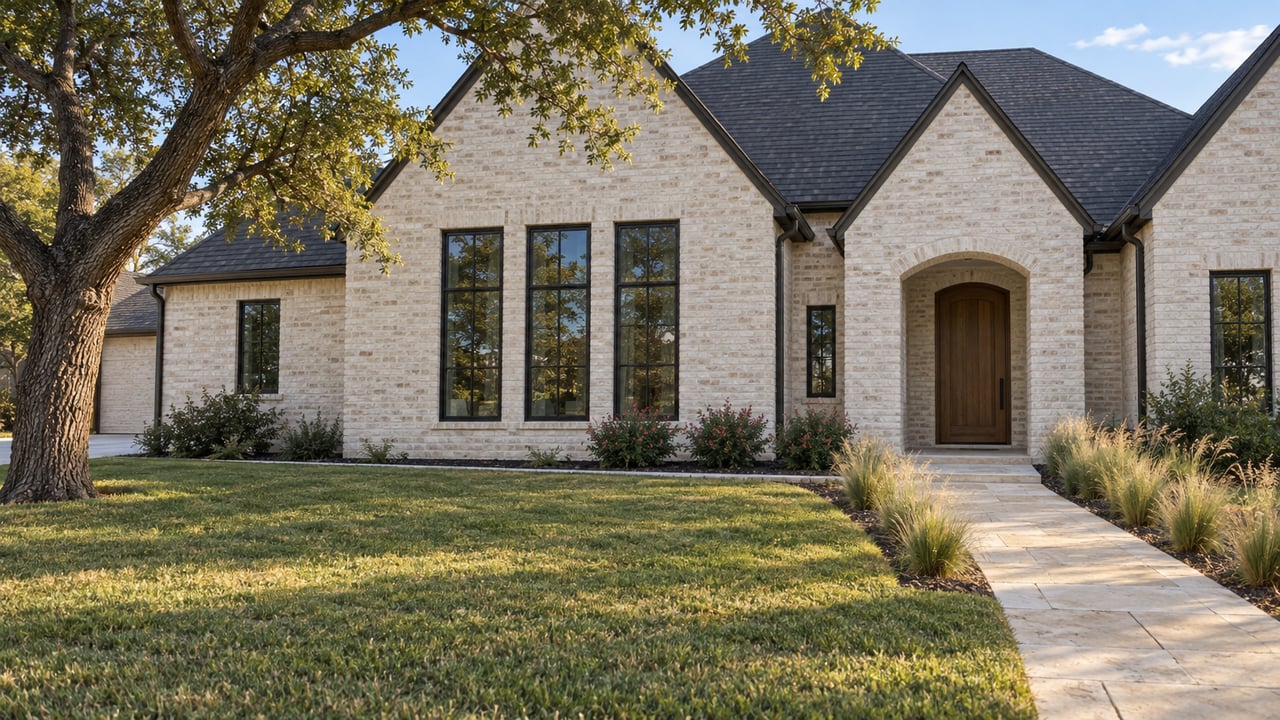
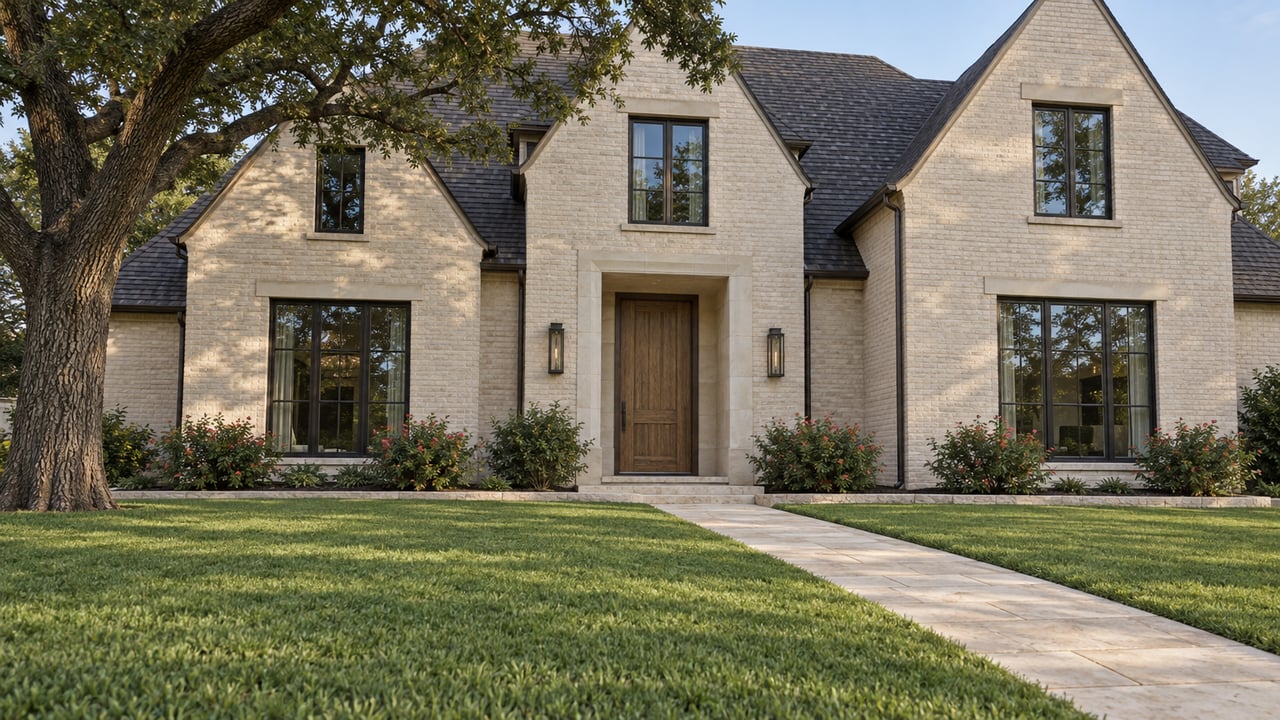
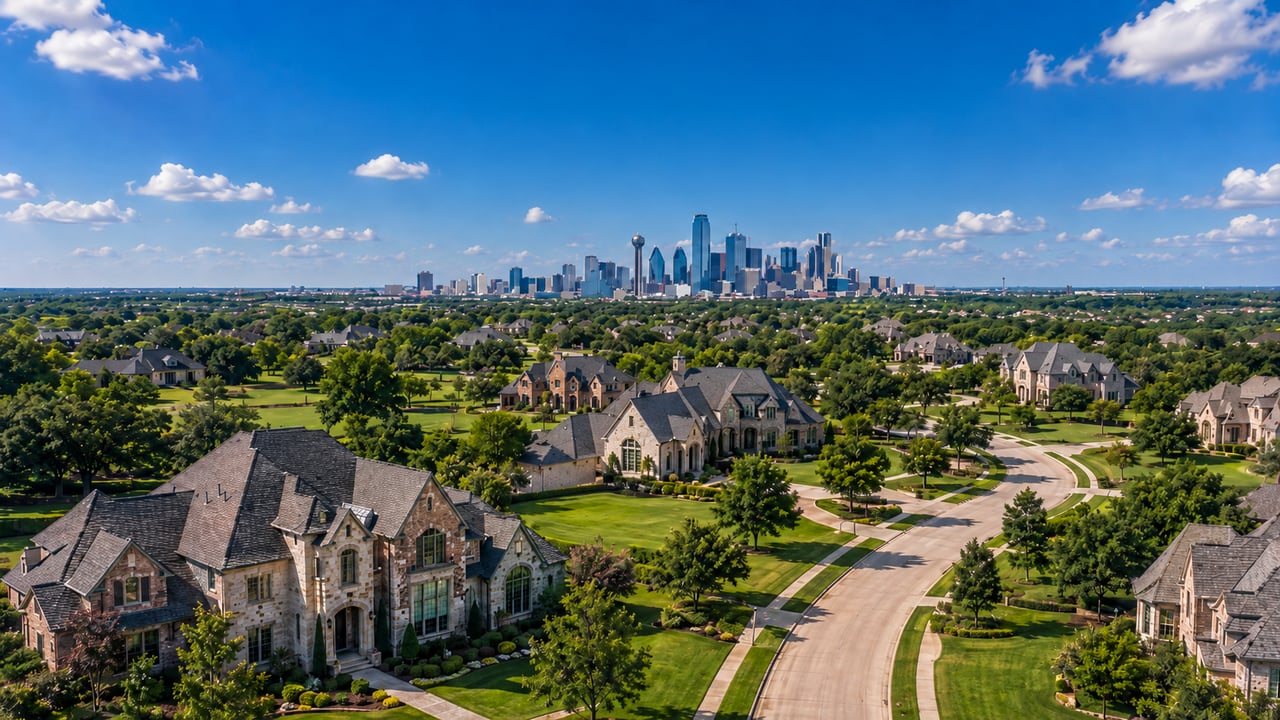
Home prices across Dallas-Fort Worth are holding steady, but there are fewer homes for sale and fewer homes selling than a year ago. Here's what August's numbers mean … Read more

DFW Real Estate Market Updates
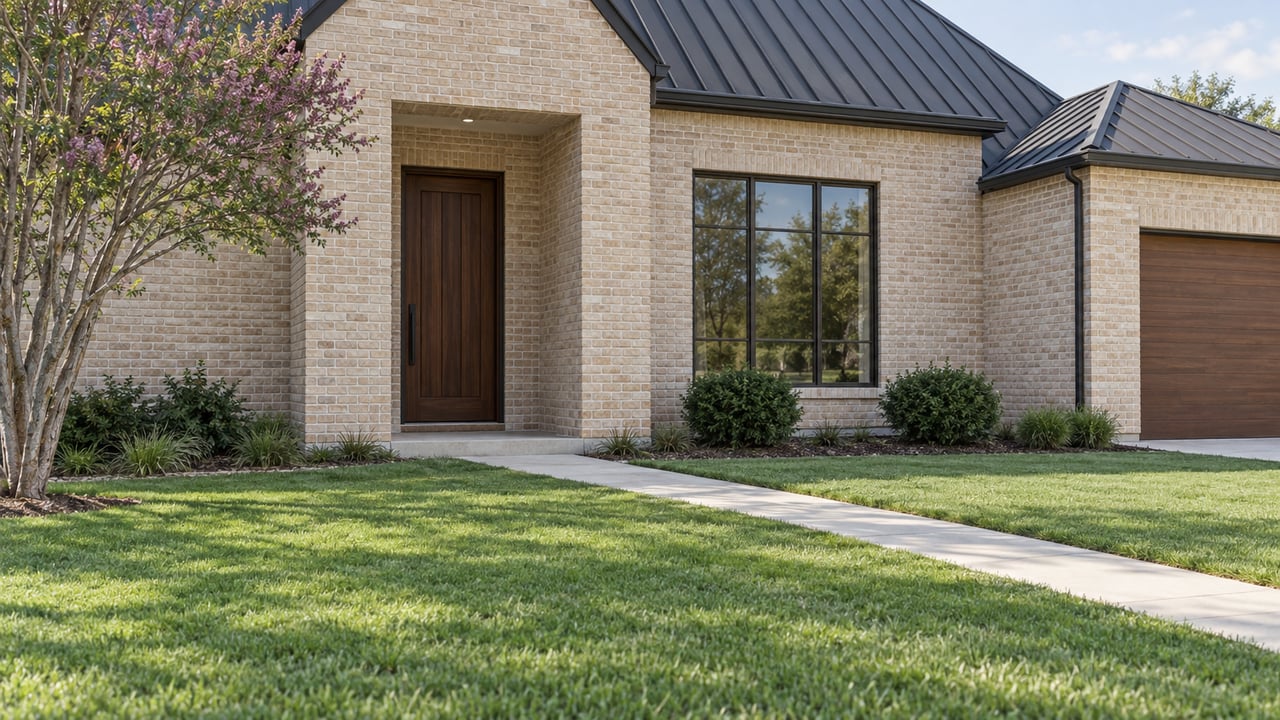
Home prices are up 8.9% year over year, and there are more homes to choose from. Here's what August's numbers mean if you're buying or selling in Flower Mound.

We’re open, accessible, and always ready to help—whether you're exploring your options or ready to take the next step. Call, text, or email anytime.