
Inflation Is Slowing. What’s Next for Mortgage Rates?
With inflation and the housing market dominating economic headlines, it’s important to understand how they go hand-in-hand. When the rate of inflation is too high, the Federal Reserve takes action by raising the key interest rate. As a result, borrowing money becomes more expensive—and interest rates on things like car loans, credit cards, and mortgages go up. This does usually have the effect of driving inflation down, but it can also impact different markets, industries, and even the entire economy.
Right now, the Fed is hoping to direct the U.S. to a “soft landing,” in which inflation and growth slow, but the economy as a whole avoids a recession. Recent data supports that we’re headed in that direction—but industries like tech, finance, and especially the housing market have felt the force of higher interest rates.
Here are the details.
Inflation is hovering right around 3%, down from 4% in May and an ultra-high peak of 9.1% in June of 2022. The current rate is the lowest it’s been since March 2021, but it’s still higher than the Federal Reserve’s target rate of 2%. The latest numbers released on August 10th showed that inflation rose two-tenths of one percent from June to July (mostly due to rising rent and gas prices), but core inflation is actually down—and that’s significant.
What’s core inflation? When the prices of everything started rising, did it seem like the prices of groceries and utility bills jumped the most? If you said yes, you’re right—and it wasn’t your imagination. That’s because historically, the prices of food and energy are volatile, meaning that they are sensitive to changes in the global economy, environment, and more, and they can rise or fall dramatically in a short amount of time.
Core inflation measures the price inflation of goods and services excluding these items because of their volatility. That way, the national inflation rate won’t be skewed dramatically by an outlier, and we can get a more accurate picture of inflation overall.
What does that mean for the housing market and mortgage rates?
According to AP News, economists believe that the Fed will pause interest rate hikes if inflation trends downward. The next Federal Open Market Committee (FOMC) meeting is in late September, so whether or not rates rise again will depend on what inflation does between now and then.
According to Forbes, mortgage rates are likely to stay between 6 and 6.9% through the end of 2023. Even if the Fed stops raising the key interest rate, that won’t necessarily equate to a drop or even a freeze in mortgage rates. This is because mortgage rates don’t just track the federal funds rate. They also rely on the yield on the 10-year Treasury note as well as investor expectations and other factors.
Instead of waiting for mortgage rates to drop to buy or sell your home, it can often be a better choice to make moves now and refinance later when rates drop. Here’s why:
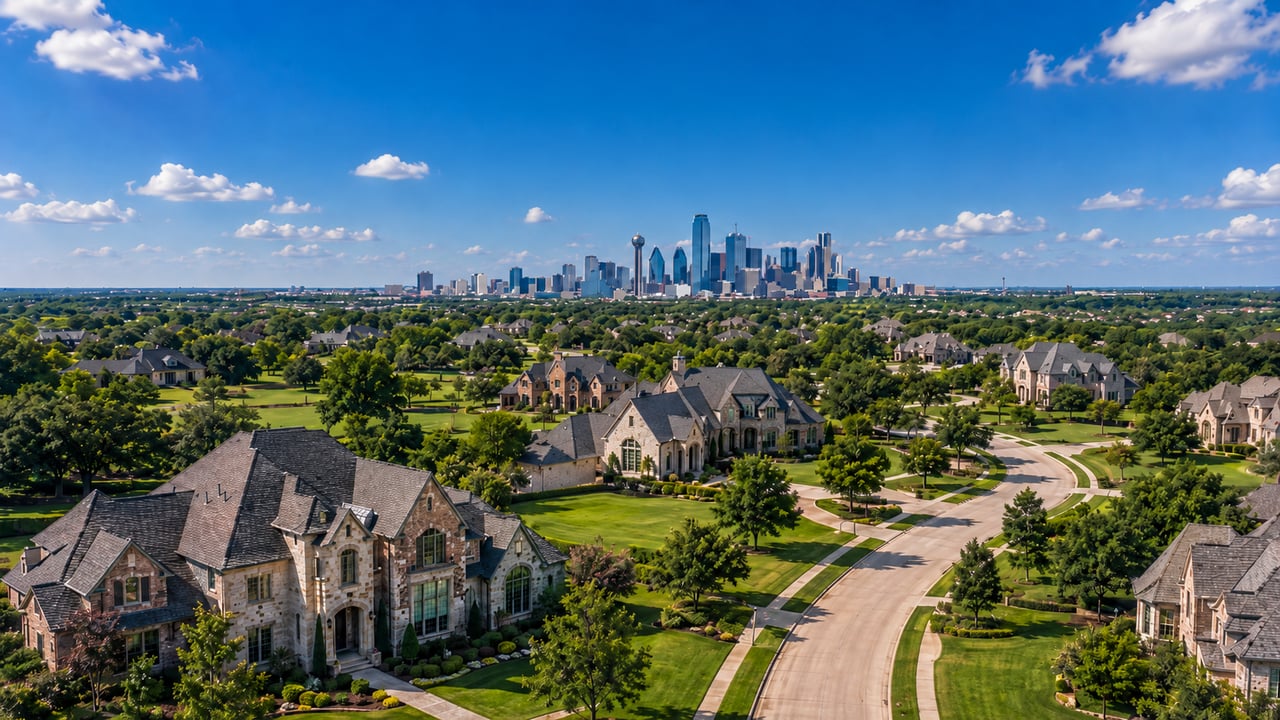
DFW Real Estate Market Updates
Home prices across Dallas-Fort Worth are holding steady, but there are fewer homes for sale and fewer homes selling than a year ago. Here's what August's numbers mean … Read more

DFW Real Estate Market Updates
Home prices are up 8.9% year over year, and there are more homes to choose from. Here's what August's numbers mean if you're buying or selling in Flower Mound.

We’re open, accessible, and always ready to help—whether you're exploring your options or ready to take the next step. Call, text, or email anytime.